
Start a Redondo Beach Residents Search
A useful resident search separates the question from the record. An address question begins with the Los Angeles County Assessor Portal, which can return a situs, assessor identification number, parcel facts, and a legal description. A past-household question moves toward Redondo Beach Public Library directories, telephone books, newspapers, and census material. A named-person question may fit a court party search, a California business filing, a professional license, an obituary, or a probate file. None of those sources is a complete household roll.
The official trail also has clear limits. An assessor parcel can describe property, but ownership does not prove residence. A telephone book can show a subscriber in a particular year, but an unlisted person will not appear. A court result can identify a party, but it is not a current address list. Choose the narrowest source that matches the clue, keep the date of each result, and stop when the record no longer answers the question.
- Write down the known name, middle initial, address, ZIP code, date range, or case number.
- Use the county assessor for a known address or AIN, then save the parcel and legal-description details.
- Use the court, business, license, vital, or probate custodian that matches the question.
- Compare a second independent source before treating a name, address, or property link as confirmed.
- Ask the actual custodian through a focused public-records request when the online path ends.
Note: A directory listing, deed party, voter record, and property owner are different kinds of evidence and should stay labeled.
Where Redondo Beach Resident Records Live
Redondo Beach is an incorporated city inside Los Angeles County, so the records map crosses city, county, and state lines. The Los Angeles County Registrar-Recorder/County Clerk holds recorded real-estate instruments and county vital records. The county assessor supplies parcel facts. The county Superior Court handles civil, criminal, family, small-claims, and probate material, with the Inglewood Courthouse assigned to the city’s two ordinary delivery ZIPs. City Hall keeps permits, licenses, agendas, and other city-created files. State agencies add business, license, voter, inmate, and privacy records.
These offices do not share one resident database. A request to the City Clerk cannot produce a county deed, and a California voter-status screen cannot open a neighbor list. Use the custodian’s own fields and access rules. The Redondo Beach street directory keeps the address chain separate from the county’s public-records routing guide, which is useful when a department portal is not clear.
Los Angeles County RR/CC
Real Estate Records
Norwalk, CA
800-201-8999 option 3
RR/CC real-estate requests
Los Angeles County Assessor
Property and parcel facts
Address or AIN search
Online portal
Assessor Portal
California Elections
Personal voter status
Purpose-gated file access
State verification tool
My Voter Status
Redondo Beach Assessor Search Fields
The Los Angeles County Assessor Portal is the bridge from a street address to a parcel record. Its public search is built around a known location, not an open owner-name field. Entering a Redondo Beach address can return the normalized situs and AIN. The AIN has ten digits and is displayed in a four-three-three pattern. Map Search offers a spatial way to pan and click parcels when an address form does not resolve an older or unusual entry.
| Field or mode | What it does | Limit to keep in mind |
|---|---|---|
| Search by AIN or Address | Accepts an AIN or address autocomplete entry. | AIN is ten digits; no public owner-name field was established. |
| Map Search | Lets a researcher pan and click parcel shapes. | No verified street-wide export, radius tool, or complete household view. |
| Parcel detail | Shows situs, use, status, values, characteristics, tabs, and legal tract/lot data. | Ownership navigation does not prove anonymous owner-name searching is available. |
A parcel page can show beds, baths, building and land square feet, built and effective years, roll values, district information, and a tract or lot legal description. Those fields describe the assessed property. They do not identify every person connected with the address. Save the access date because roll information changes.
The sample Assessor parcel record shows the kind of tabs and fields a researcher may encounter, including Summary, Ownership, Parcel Change, Parcel Map, Roll Detail, and Building/Land Characteristics. Its public display did not plainly expose an owner name or mailing address.
The parcel view is most useful as an identifier converter. Once the AIN, tract, lot, and situs are saved, the next request can be aimed at the correct record keeper.
The Redondo Beach Deed Name-Year Route
Los Angeles County real-estate records are held from 1850 to the present, but the recorder does not provide a public search by street address or assessor parcel number. That quirk changes the whole residents directory workflow. First translate the address through the assessor. Then request a document by grantor or grantee name, recording year, and document title, or provide a document number when one is known. A grantor is the party conveying an interest. A grantee receives it.
The RR/CC request route leads to the Real Estate Records office at 12400 Imperial Highway, Room 2207, Norwalk, with weekday hours of 8 to 5, phone 800-201-8999 option 3, and recorder@rrcc.lacounty.gov. The research notes about twenty working days for orders. Search charges and copy charges are separate. A plain copy is listed as $5 for the first page plus $3 for each additional page; a certified copy is $6 plus $3 per additional page. Confirm the current fee page before paying.
The county request instructions explain the name and year path. A recorded deed may show grantor, grantee, recording date, document number, APN, return address, and legal description. A mailing or return address is not automatically a residence. Trust deeds, reconveyances, quitclaims, liens, and trustee-sale notices also require document-title care.
Local search quirk. A street name alone cannot start the county deed search. Use the assessor to learn the parcel and a likely party name or recording year first.
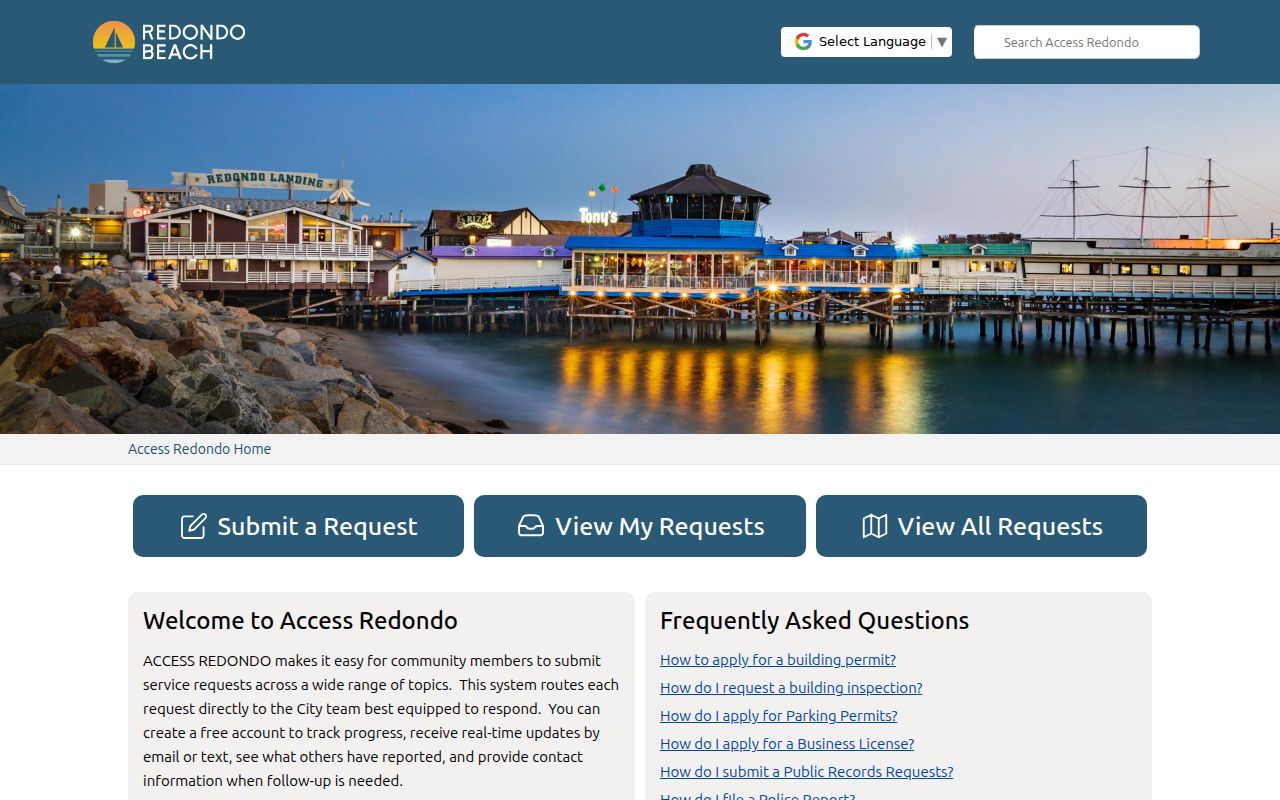
The Redondo Beach public-records request portal shows the city-side route for a focused request.
The county public-records request routing page is a useful fallback when a custodian or department is unclear. A focused request still cannot open sealed, confidential, or restricted record classes.
Current Redondo Beach Directory Sources
No single current Redondo Beach residents directory lists every household. The sources below are better read as distinct lenses. Property records tie a parcel to assessed facts. A recorded instrument names parties to a transaction. A court index names litigants. A business or license record shows an entity or credential address. A public city file can show a permit party or a person acting in an official role.
| Source | Evidence it can add | Keeper | Access |
|---|---|---|---|
| Assessor parcel | Situs, AIN, values, legal lot, building facts | Los Angeles County Assessor | Free address/AIN portal |
| Recorded document | Grantor, grantee, instrument, date, legal description | LA County RR/CC | Name/year request and paid copy |
| Court case | Party, case type, filing date, courthouse, image count | LA Superior Court | Case number free; party name paid |
| City file | Permit, license, agenda, code or report details | Redondo Beach City Clerk or department | Portal or CPRA request |
| Library collection | Past occupant, subscriber, school, or newspaper evidence | Redondo Beach Public Library | Reference room and selected digital holdings |
Each row answers a narrower question than “who lives here.” A person’s name may need more than one record type, while a whole-street question needs the assessor and parcel angle kept separate from the library’s historical shelf.
Los Angeles Court Records by Name
Los Angeles Superior Court provides a second name-keyed path for a Redondo Beach resident lookup. Case-number access and calendar access are free through Access a Case. The court’s paid name service searches civil, family, probate, small claims, and criminal records. Redondo Beach ZIPs are assigned to the Inglewood Courthouse for the relevant local case path, while probate is centralized by the Superior Court.
A search result can show litigant name, case type, filing date, courthouse or filing location, case number, and the number of purchasable images. The court’s documented image ranges differ by case class. Some civil, small-claims, family, and probate images reach back decades, while sealed, confidential, paternity, and minor-involved matters are unavailable. Images usually post within 72 hours and remain downloadable for 30 days. A clerk terminal or the Archives and Records Center can be the fallback, and a certified copy comes from the clerk.
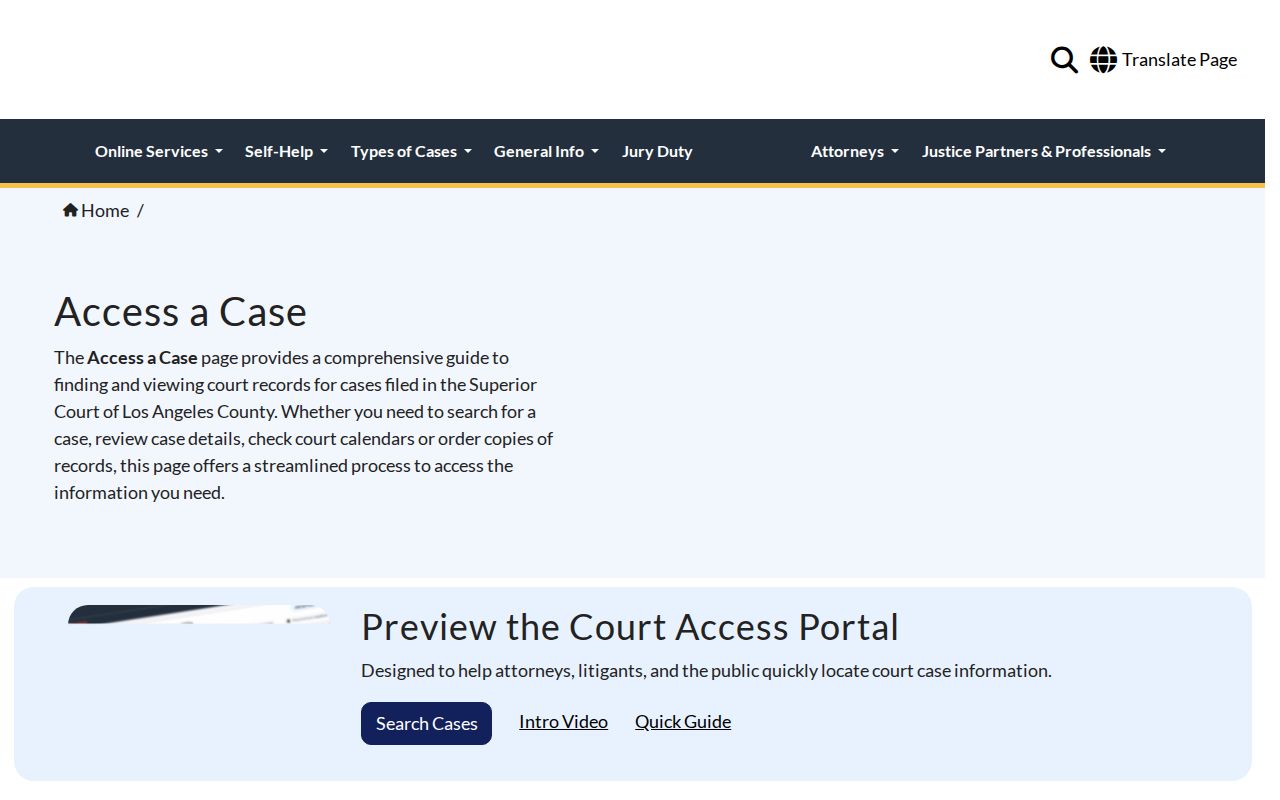
The court’s paid name-search instructions explain the service and its exclusions. Treat a docket as a party record, not proof of current residence.
Why Redondo Beach Voter Lookup Is Different
California My Voter Status and the Los Angeles County voter-status tool are personal verification services. They help a voter check their own registration and participation information. They are not public name-and-address directories, and they cannot be used to browse everyone at a street or block.
California Elections Code §2194 and the related public-file rules make full voter data purpose-gated. The state application asks for the applicant, beneficiary, purpose, supporting documentation, security plan, file type, signature, and fee. Statewide files cost $100 in the research notes. The county publishes separate rates, including $146 countywide, $54 for a precinct, district, or city, and $39 for an added file. Those files are for authorized election, scholarly, journalistic, political, or governmental purposes, not casual resident discovery.
Even an authorized file has defined fields. It may include name, date of birth, registration date, residential and mailing address, precinct, contact information, party preference, and requested active or inactive status. Optional history shows election date, type, and voting method, never ballot choices. Safe at Home participants and other confidential voters remain protected. The state voter-file instructions explain the lawful route.
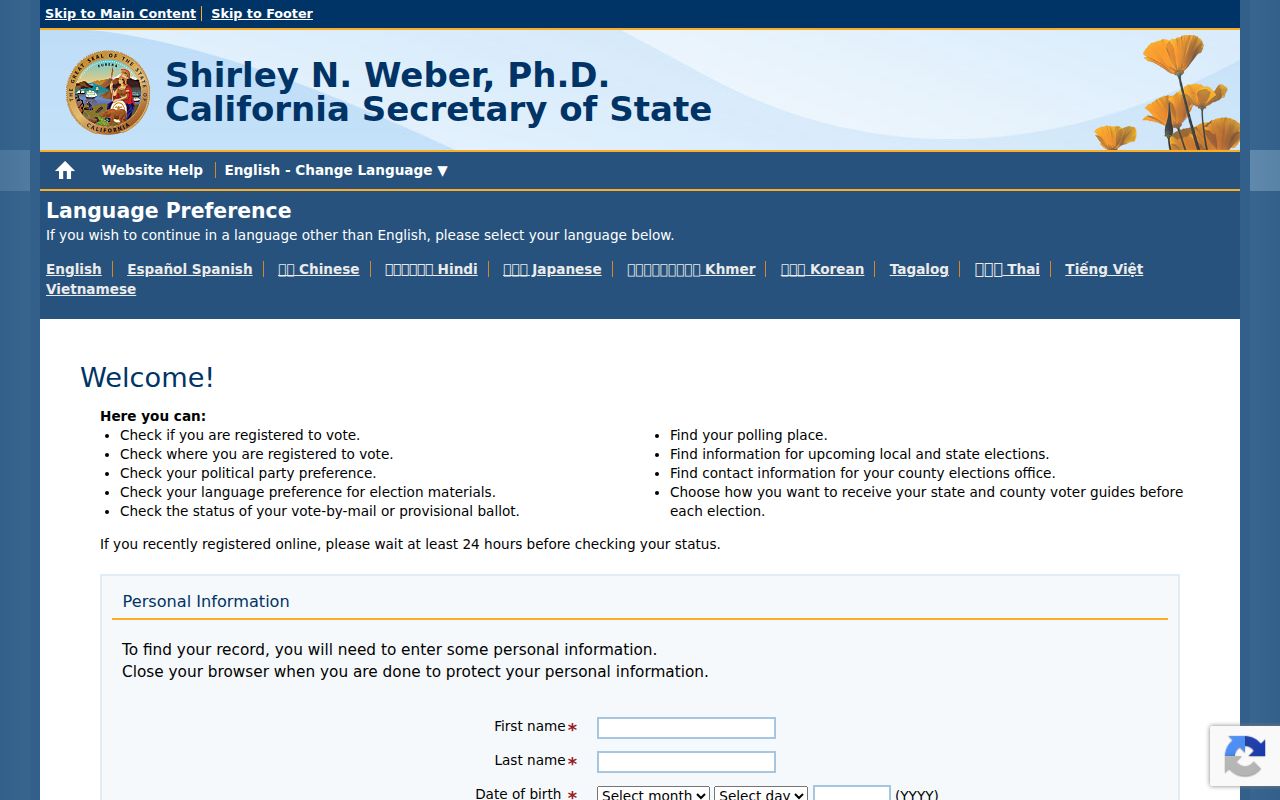
The voter screen belongs in a personal verification workflow, not a general residents directory search. A missing name is not evidence that a person does not live in Redondo Beach.
Redondo Beach City Files and Laserfiche
The Redondo Beach City Clerk receives requests at 415 Diamond Street, Redondo Beach, California 90277, by phone at 310-318-0656 and fax at 310-374-0220. The city form asks for contact details, a specific record description, signature, and date. The city’s online request route is available through Comcate. City files can include permits, code files, licenses, agendas, and locally created correspondence that never appears in a county portal.
The city’s permit instructions identify Permit Number, Parcel Address, and Primary Contractor as search fields. For an address, the instructions say the house number alone can work best. Current portal coverage is not documented as complete. The older record path matters because the research identifies paper building-permit holdings from 1913 through 1991.
In 2026 council minutes described a Laserfiche program with about 2.5 million documents loaded, 3.7 million in phase one, and roughly 6.7 million more in the vault. Those figures make a useful local point: a “no result” in a digital archive is not proof that the City lacks a record. Keep the query and date, then ask the City Clerk about off-site, older, or department-held files.
Note: City hard copies are listed at $0.10 per page, while exemptions and review can affect what a request discloses.
Earlier Redondo Beach Residents in Print
The Redondo Beach Public Library’s Main Library Reference Department at 303 North Pacific Coast Highway holds the local-history shelf. Redondo-only city directory volumes include 1906–07, 1907, 1912–13, 1913–14, 1915–16, 1920, 1960, and 1963. Combined Redondo, Hermosa, and Manhattan volumes cover 1923–24, 1925–26, 1931, 1936, 1947, and 1952. The Historical Museum has a separate 1913–1925 directory holding.
Selected volumes are in the city’s Laserfiche directory archive, though the viewer may require browser cookies. The Library also points researchers toward the 1932 Library of Congress telephone directory and later phone-book material. Telephone books are subscriber evidence, not the same thing as a Polk occupational directory. A directory’s gap can reflect a missing volume, not a missing resident.
The Redondo Beach library local-history collection is the source for the shelf image and its newspaper, yearbook, and directory holdings.
The local-history resources connect the shelf to The Pilot yearbooks, The Talon, Redondo Reflex, Redondo Compass, Hollywood Riviera Tribune, and Daily Breeze. Those collections can bridge a year in which a directory was not printed. The historical directory page gives the collection-by-collection detail, while the home residents directory keeps the practical map in view.
90277 and 90278 in the Redondo Beach Directory
Redondo Beach has two ordinary delivery ZIPs, and postal geography gives a useful first cut without defining the city boundary. 90277 covers South Redondo, the coast, pier and harbor, downtown, the original townsite, and residential South Redondo. 90278 covers North Redondo, the Artesia corridor, and the inland and northern part of the narrow municipal neck. The Redondo Beach post office at 1201 North Catalina Avenue serves 90277. The North Redondo Beach post office at 2215 Artesia Boulevard serves 90278.
There is a local postal surprise. A 2025 USPS Sorting and Delivery Center notice says the Catalina facility serves 90254 as well as 90277 and 90278 operationally. 90254 is Hermosa Beach, not a third Redondo Beach ZIP. Hollywood Riviera adds another boundary trap because its community identity extends into present Torrance and commonly uses 90505. Check USPS delivery, assessor situs, and city jurisdiction as separate fields.
Postal geography can narrow a search, but it cannot create a ZIP-wide residents directory. Translate a ZIP into a verified address and parcel instead of treating a mailing line as a city-limit proof.
Property Facts Are Not Occupancy Proof
A parcel record has a physical situs address, an AIN, improvements, tax-rate area, values, and legal description. A mailing address may belong to an owner, entity, manager, or a different property. The legal description identifies the surveyed interest conveyed by a deed. These identifiers are valuable because they keep a search on the same land, but none of them is a complete list of people at the site.
- Parcel
- A mapped or legally described property unit identified in county records.
- Situs address
- The physical location assigned to the assessed parcel.
- AIN
- The county assessor identification number, displayed in a four-three-three format.
- Index
- A finding aid with names or fields, not always the full record image.
- Criss-cross directory
- A reverse address or telephone arrangement when a particular volume actually includes one.
The safest residents directory language is evidence-based. Say “named grantee,” “listed subscriber,” “registered voter accessed lawfully,” “party to a case,” or “address of record.” Do not turn one of those labels into “lives there now” without separate current evidence. A homeowner exemption field, a permit applicant, or a contractor name has the same caution.
Statewide Redondo Beach Resident Trails
Some questions leave the city and county. The California Department of Consumer Affairs license search can verify a credential, status, and public address of record. The Secretary of State bizfile search can show an entity name, number, status, agent, street or mailing address, filing dates, and free filing PDFs. Basic business search results are capped at 500. The California Department of Corrections CIRIS search uses a last name or CDCR number and returns informational custody fields. The county sheriff’s inmate information center is a separate county route.
Unclaimed property is another official clue, not a current residence roll. The State Controller’s search accepts name, address, city, or property number, and the estates-of-deceased-persons spreadsheet is updated in April and October. A result can point toward an estate or past address, but claim proof and custodian review still matter.
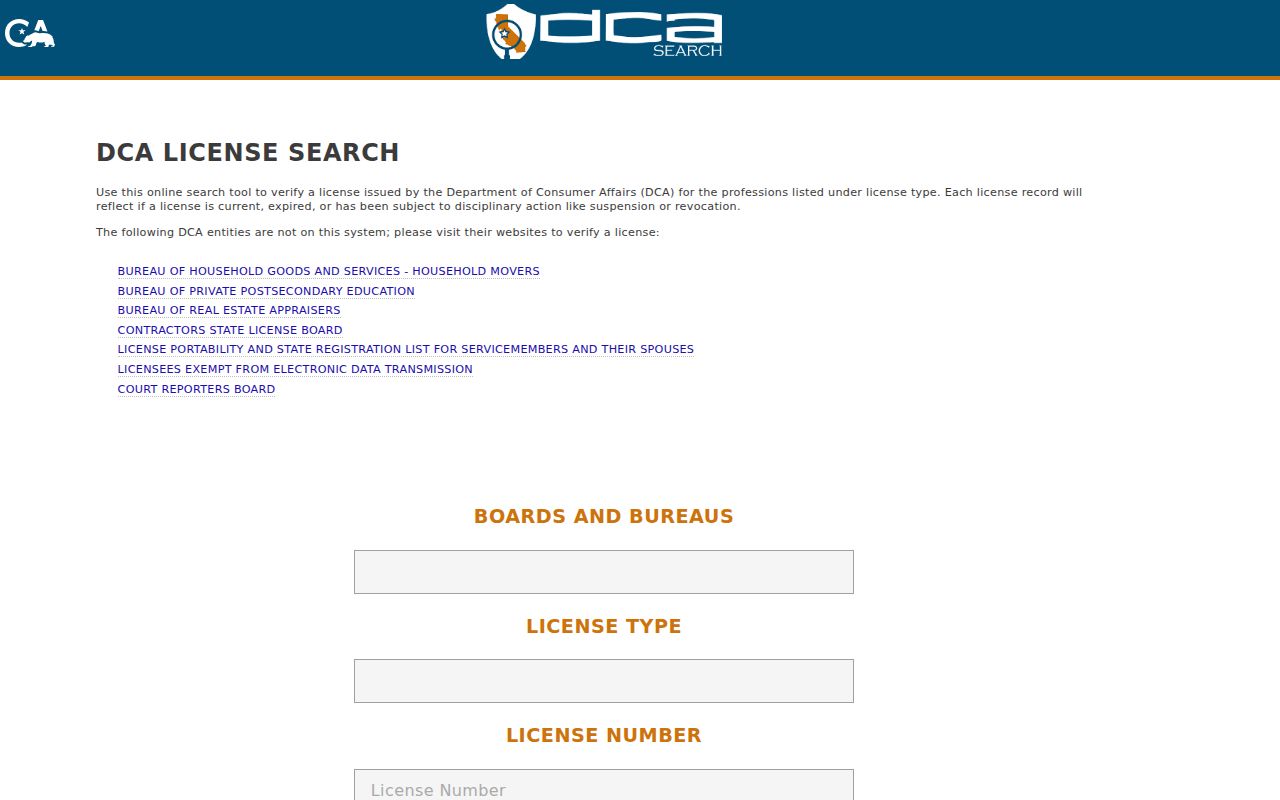
California’s license search is strongest when the question concerns a professional record. A license address may be a practice or mailing location.
The California business search adds entity context, not proof of a person’s home.
The business filing image points to a free state search that can distinguish an entity, agent, address of record, and filing history. It cannot turn an entity address into a home address.
The CDCR CIRIS search is informational and uses a last name or CDCR number.
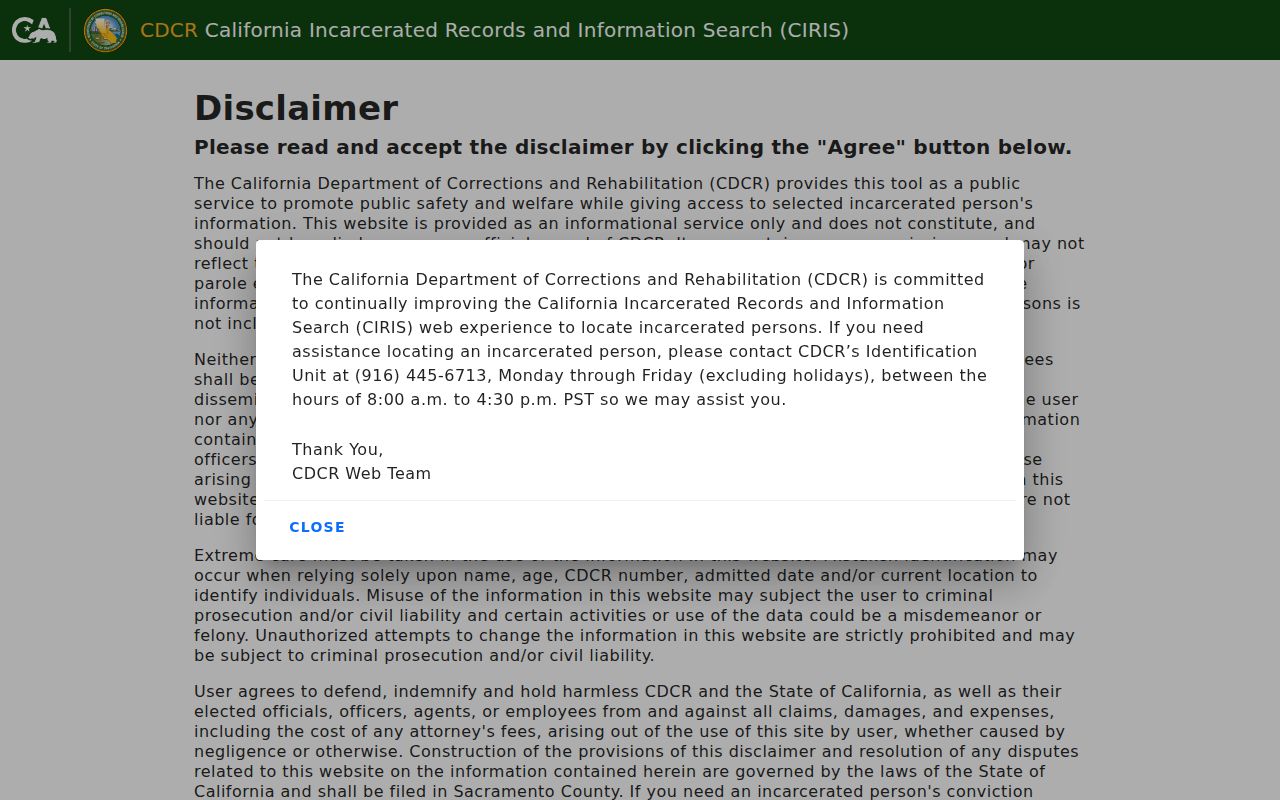
The custody result is informational and updated daily according to the research. It should be read as a custody record, not as a general resident identity.
Official Rolls and Commercial Directories
Official records and commercial people-finder products answer different questions. A custodian record has a defined keeper, field set, date, and correction route. A compiled directory may merge public and observed data, show an old address, or combine namesakes. A paid result is not made official by its price. Use an official source when a fact matters, and preserve the source date and record label.
| Point of comparison | Official custodian record | Commercial compilation |
|---|---|---|
| Purpose | Records a defined government, court, library, or state function. | Combines data for a broad search product. |
| Search fields | Limited to the agency’s actual index, such as AIN, case number, or party and year. | May promise a wider name or address sweep. |
| Correction | Contact the office that holds the original record. | Request a broker correction or deletion separately. |
| What it proves | Only the event or field the record documents. | A lead that still needs source-level verification. |
Use the least intrusive source that answers the lawful personal question. Family history, an estate lead, a property filing, or reconnecting with a former classmate can often be handled through a library, court, business, or official state route without treating every record as a people list.
Use records with care. Public access does not authorize stalking, harassment, threats, or exposure of a protected person. California’s privacy programs and custodian limits matter even when a search result is easy to find.
Privacy Programs and Closed Redondo Beach Records
California Safe at Home supplies a substitute mailing address for qualifying survivors and participants, but it does not erase old public records. Civil Code §5216 gives Safe at Home participants a route to require an association to redact a name, property address, or email from a private directory or access system. DMV information is restricted by the federal Driver’s Privacy Protection Act and California law. Adoption originals, juvenile matters, sealed cases, confidential marriages, and protected vital records have their own limits.
The California Delete Request and Opt-out Platform, known as DROP, began broker deletion processing in August 2026 under the Delete Act. Residents can submit names, prior names, birth dates, ZIP codes, email addresses, phone numbers, and optional advertising identifiers. Brokers check at least every 45 days, but public-record-derived data may be exempt. A deletion request aimed at a broker does not change a deed, court record, or vital record held by its custodian.
The California DROP portal is a privacy tool for broker requests, not a replacement for correcting a government record. The custodian controls the source, and a lawful request should identify the exact record or field at issue.
Monitor New Redondo Beach Property Filings
Redondo Beach property owners have a constructive records-safety use for the county system. The RR/CC Homeowner Notification program and Assessor profile can connect mailed copies with email alerts for ownership-changing instruments, loans, notices of default, and trustee-sale notices. An alert is not title insurance and does not decide whether a filing is valid. It is a dated prompt to inspect the official instrument and contact the county through an independently verified channel.
The same habit helps any residents directory research stay honest. Preserve the recording date, document number, party names, and legal description. If a letter asks for far more than the county’s stated copy fee, use the county’s typed government URL rather than the callback number in the mailer. Real-estate fraud notices, false liens, and false deeds are reasons to verify a filing, not reasons to publish a person’s private details.
The county notification program is a timely example of a records office serving the person whose property is in the file. It also shows why the best resident search keeps ownership, occupancy, and public safety as separate ideas.